
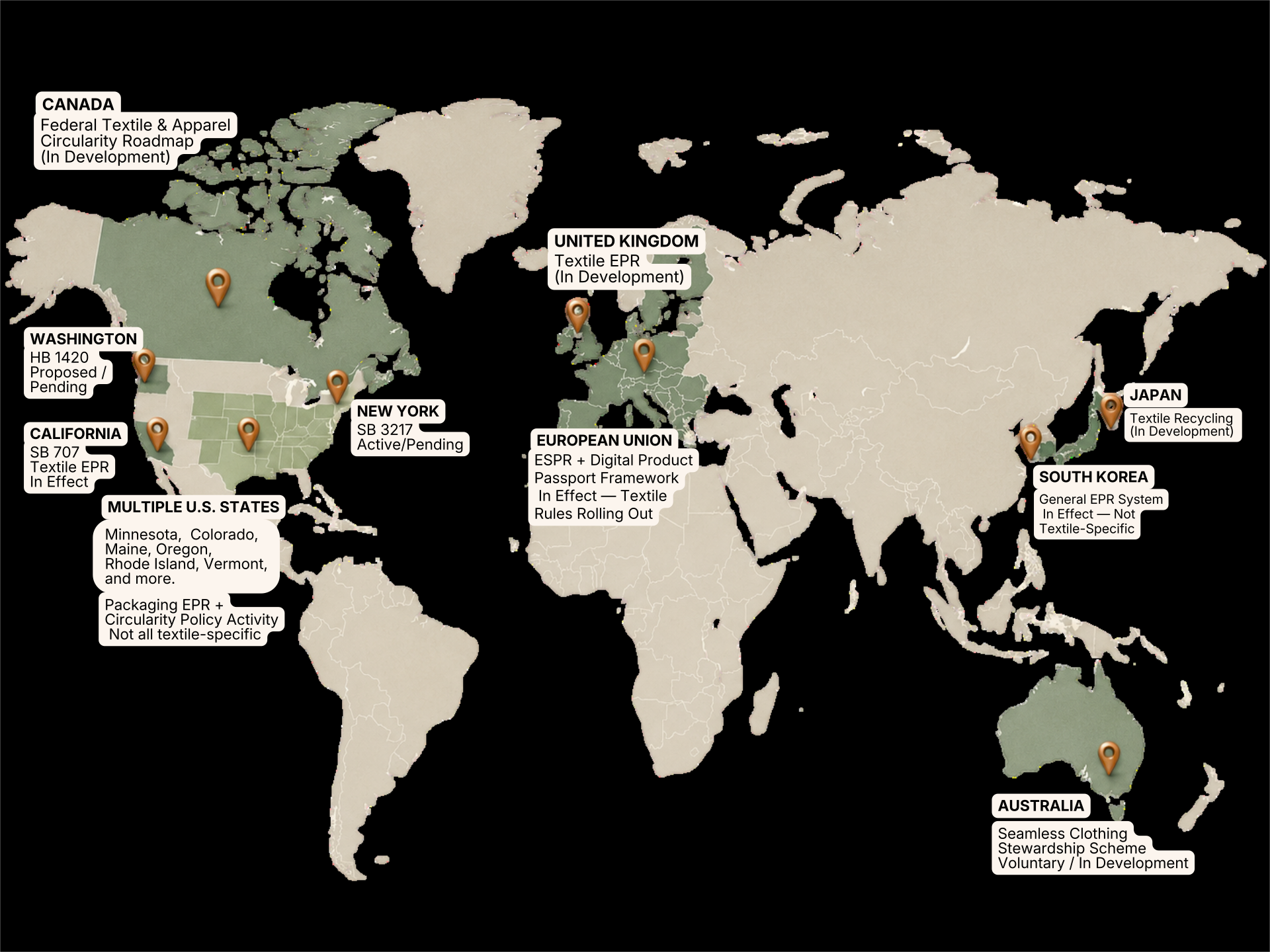
REGULATIONS ARE GOING GLOBAL
The future of textile compliance is everywhere.
Laws and reporting requirements are emerging across the U.S., Canada and the world. Stay informed, stay ahead, and build the product intelligence foundation to be ready for what's next.
IN EFFECT
Laws and regulations currently in effect.
PENDING LEGISLATION
Proposed laws and regulations under review.
IN DEVELOPMENT
Early-stage policies and regulatory initiatives.
MONITORING
Emerging discussions and future considerations.
REGULATIONS ARE GOING GLOBAL
The future of textile compliance is everywhere.
Laws and reporting requirements are emerging across the U.S., Canada and the world. Stay informed, stay ahead, and build the product intelligence foundation to be ready for what's next.
IN EFFECT
Laws and regulations currently in effect.
PENDING LEGISLATION
Proposed laws and regulations under review.
IN DEVELOPMENT
Early-stage policies and regulatory initiatives.
MONITORING
Emerging discussions and future considerations.
The Loop Report
Read Amalé’s ongoing insights on textile EPR, Digital Product Passports, product data, traceability, compliance readiness, and the future of circular fashion infrastructure. Loop Report remains a dedicated insights page so brands can easily find articles, analysis, and updates as textile regulation continues to evolve.
SB 707 Readiness Checklist for Apparel Brands
SB 707 readiness is not a checklist problem. It is an infrastructure problem. Here is what apparel brands have to put in place by July 1, 2026. ...more
News
June 26, 2026•7 min read
How to Prepare for PRO Onboarding
Learn how to prepare for PRO onboarding with the right data, teams, and workflows to reduce risk, close gaps, and support apparel EPR readiness. ...more
News
June 25, 2026•7 min read

Lifecycle Tracking for Apparel: It Is Becoming Infrastructure
Lifecycle tracking for apparel products helps brands manage compliance, traceability, and end-of-life data with audit-ready systems. ...more
News
June 19, 2026•8 min read
Textile EPR Across States

CALIFORNIA SB 707
The first U.S. textile EPR law.
California’s SB 707, the Responsible Textile Recovery Act, creates an Extended Producer Responsibility framework for apparel and textile products sold into the state. Brands will need to prepare for producer responsibility, PRO participation, and future reporting tied to textile collection, reuse, repair, and recycling.

NEW YORK SB 3217
A proposed textile EPR framework for New York.
New York SB 3217 would establish Extended Producer Responsibility for textiles, requiring producers to submit a plan for a collection program for covered textile products either individually, cooperatively, or through a representative organization.

WASHINGTON HB 1420
A proposed producer responsibility model for textiles.
Washington HB 1420 would require producers of covered textile products to join a Producer Responsibility Organization or register independently with the Department of Ecology, beginning with proposed registration requirements by January 1, 2027.
Legislation & Government
CALIFORNIA
SB 707 (Textile EPR)
The Responsible Textile Recovery Act: California’s landmark Extended Producer Responsibility law for textiles.
UNITED STATES
U.S. Policy & Circular Economy
Federal resources on sustainability, waste reduction, and circular economy policy frameworks.
EUROPEAN UNION
EU Regulations
Ecodesign for Sustainable Products Regulation (ESPR) and the Digital Product Passport (DPP).
CANADA
Canada Policy & EPR Development
Emerging national and provincial frameworks shaping textile responsibility and waste reduction.
Industry Analysis & Major Publication
POLICY & LEGAL
Anthesis
In-depth analysis of the law, timelines, and what brands need to know.
SB 707: California’s Textile EPR Law Explained
SIDLEY
Key 2026 Milestones & Upcoming Deadlines
Critical dates and obligations for producers under SB 707.
Holland & Knight
A Closer Look at California’s Textile EPR Law
Legal overview and implications for brands and retailers.
jd supra
SB 707 Legal Updates & Compliance Analysis
Legal analysis covering textile EPR, compliance, and regulatory updates.
Compliance & Execution Guides

What Brands Must Do Now
A practical overview of the operational, reporting, and infrastructure requirements brands must prepare for under California’s SB 707 textile EPR law.
Register with the state-approved PRO
Organize product, material, and sales data
Prepare for annual reporting and compliance workflows
Build traceability systems for long-term readiness
KEY INSIGHT
Most brands are not failing on sustainability goals. They’re failing on operational readiness.
• Fragmented product data
• Limited traceability
• Manual reporting systems
• No unified compliance infrastructure
Amalé closes that gap.
FAQs
What is textile EPR?
Textile EPR, or Extended Producer Responsibility, is a policy model that makes producers responsible for the end-of-life management of covered apparel and textile products. This can include collection, reuse, repair, recycling, reporting, and funding recovery infrastructure.
Does textile EPR only apply to brands based in that state?
No. A brand may be affected if it sells covered apparel or textile products into a state with textile EPR requirements, even if the company is based somewhere else.
Is California SB 707 already a law?
Yes. California SB 707, the Responsible Textile Recovery Act, has been enacted. Covered producers must join the approved Producer Responsibility Organization by July 1, 2026.
What is a Producer Responsibility Organization?
A Producer Responsibility Organization, or PRO, is an organization that manages certain compliance responsibilities on behalf of producers. Depending on the state framework, this may include registration, program planning, reporting, collection systems, reuse, repair, recycling, and recovery infrastructure.
Why does product data matter for textile EPR?
Textile EPR is not just about recycling. Brands may need accurate product, material, supplier, sales, and market exposure data to understand what products are covered, where they are sold, and what reporting or recovery obligations may apply.
What kinds of brands should pay attention?
Apparel, footwear, textile, accessories, outdoor, home goods, uniform, and other brands that sell textile products into regulated states should pay attention. Sustainability, operations, supply chain, product, legal, and compliance teams may all be involved.
The future of circularity is shared. Let’s build it together.

